Editorial review 2026-09-10 · Jurisdiction: General technical orientation; Swedish examples
Cooling technologies
Which cooling principle fits this Swedish hall’s density, water file and heat-rejection path — and what does a northern climate actually buy you? Air, mixed and liquid systems win in different rooms. Free cooling is a design opportunity, not a permit and not a connection offer. Liquid loops help high-density racks and can raise the temperature of recoverable heat. They also add fluids, coolant distribution units and a rejection path that neighbours will hear or see. atNorth SWE01 describes direct liquid cooling and heat recovery with Stockholm Exergi. That is an operator description of one hall, not a ranking of Sweden. Declare the assumption set. Do not declare a national winner.
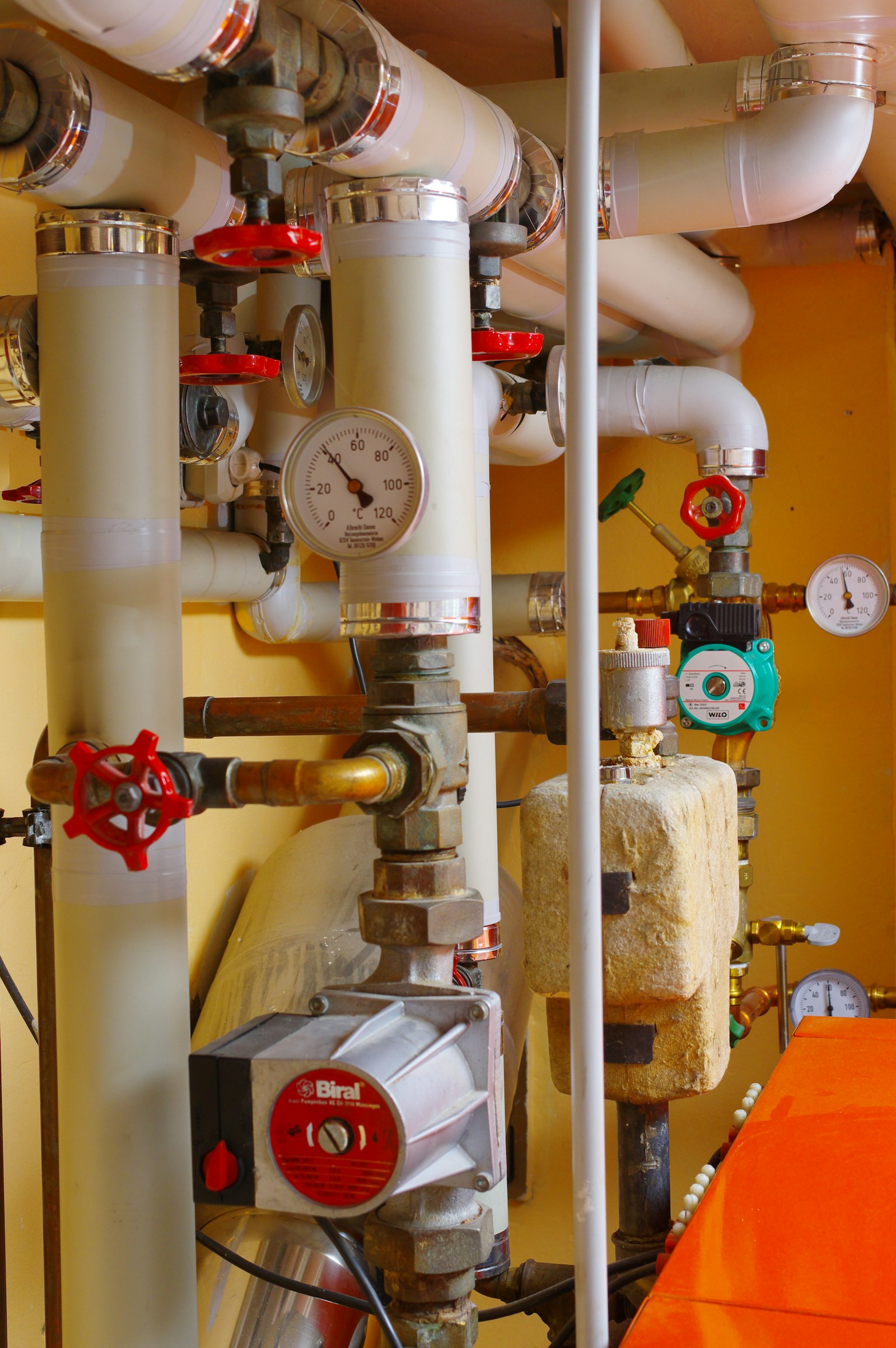
General orientation. Assess the specific project separately. Applies to: Readers comparing cooling claims in Swedish files.
Reading order
Start with the IT density the plant is drawn for, not with a climate slogan. A hall designed for conventional air is a different machine from a hall designed for direct liquid cooling. Write the indoor device, then the outdoor rejection path. Only then ask about water: whether the design uses any, where it comes from, and whether the volume is a design take or a measured take. Heat reuse is last, because a pipe is not a buyer.
Keep legal and technical sentences apart. A cooling diagram is not a Boverket decision and not a Naturvårdsverket permit. A free-cooling claim is not a municipal welcome that can be energized. If two operator pages both say liquid, ask whether they mean the same loop, the same fluid, and the same rejection neighbour. If those cells differ, you are not comparing the same plant.
- IT density the system is designed for.
- Water use, if any, and the source.
- Where heat is rejected — air, tower, or district network.
- Whether heat reuse is piped, contracted, or delivered.
How cooling works in a Swedish establishment file
Air, evaporative and liquid plants move the same waste heat to a different place. Outdoor-air or free-cooling designs use a cold climate as a resource. That resource is weather and a building interface, not a reserved right. Evaporative or tower paths can raise water and plume questions. Liquid loops move heat at a higher temperature toward a CDU and then toward dry coolers, towers or a heat-recovery heat exchanger. The indoor loop and the outdoor rejection path are two machines. Conflating them hides the neighbour.
Water is local. A design take from a municipal network, a borehole, or a surface source is a different file from a measured annual cubic-metre reading. Naturvårdsverket’s Environmental Code guidance is the official starting point when an investigation is triggered. The municipality and the network or water utility speak to the property. A national rainfall statistic does not answer a Falu or Falkenberg take. Missing water volumes stay visible. They are not filled from a Nordic climate slogan.
Energy and heat reuse follow the rejection path. A plant that rejects heat to outdoor air can still have a low operator PUE and no sold heat. A plant that raises loop temperature can make a district-heat conversation possible without completing it. Stockholm Exergi, Falkenberg Energi and Falu Energi & Vatten are named local counterparties in operator copy. They are not a national heat market. Prepared valves, a letter of intent, a contract and a dated delivery start remain four states, explained on the heat-reuse page.
Power and plan still sit beside the chiller yard. The network owner answers import capacity; cooling parasitics are part of facility load, not a separate spare-MW gift. Bidding areas SE1 to SE4 do not choose your cooling fluid. Boverket’s detaljplan and building-permit path regulates the building, including outdoor equipment that neighbours will see. Inspektionen för strategiska produkter does not review a CDU. Skatteverket does not certify free cooling. Keep each letterhead on its own paper.
What named primary sources show
Meta describes outdoor-air cooling and local hydropower at the Luleå campus, operational from 2013 on the cited careers page. Current megawatts are not stated there. The cooling sentence is an operator description of a northern air-side design. It is not a published connection agreement, not a water-balance sheet, and not a national free-cooling score. Hydropower is a supply description, not a spare-MW allocation in SE1.
atNorth’s SWE01 page states 6,400 square metres, 12 MW site power capacity, design PUE 1.2, liquid cooling and heat recovery with Stockholm Exergi. Occupied IT load is unpublished. Heat actually delivered versus recovery design is not quantified on that page. The liquid-cooling claim and the Exergi mention are therefore operator statements about one Kista hall. They are not a ranking of Stockholm plants and not a measured annual heat volume.
GleSYS’s 1 October 2020 release said surplus energy from the new Falkenberg hall had started to become district heat for Falkenberg Energi, and listed 3 MW utility power at completion. A later operator page states 5 MW total capacity, PUE 1.2, 100 percent renewable energy and district-heat recovery. The heat start is a dated delivery claim. Later annual megawatt-hours are not on the cited pages. The 3 MW and 5 MW figures remain two dated rows.
EcoDataCenter describes recovery with Falu Energi & Vatten in Falun materials and states a PUE of 1.2 according to ISO standards on the site page. The 2025 annual report speaks in campus megawatts for buildings C and D and for later E and F targets. Heat delivered versus heat-recovery design is a stated knowledge gap. Conapto’s south-campus materials mention heat recovery toward Stockholm Exergi. That is heat wording, not a published delivery start comparable to the 2020 Falkenberg notice.
Common misreads
The first misread is to name a national cooling winner. Sweden’s climate is not a permit, and operator plants in Luleå, Kista, Falun and Falkenberg are not a controlled experiment. The second is to treat free cooling as zero water and zero neighbour impact. Outdoor equipment still occupies land and can make noise. The third is to treat liquid cooling as automatically sold heat, or sold heat as automatically a low PUE.
A fourth misread is to import a PUE from a cooling page into a league table. atNorth’s 1.2, GleSYS’s 1.2, EcoDataCenter’s 1.2 according to ISO standards, and Meta’s 1.09 are operator figures from different years and methods. They are not ranked here. A fifth is to treat a hydropower sentence as a cooling water source, or a bidding-area price as a chiller efficiency.
- Declaring a Swedish cooling winner without an assumption set.
- Reading outdoor-air cooling as a permit or a connection offer.
- Counting designed heat recovery as delivered heat.
- Building a PUE league table from operator pages.
- Using SE1–SE4 or the national mix as a water answer.
What to ask next
Ask for the density the plant is designed for, the indoor device, and the outdoor rejection path, each on a dated drawing. Ask whether water is used, from which source, at what annual and peak volumes, and which investigation has been done on the plot. Ask who hears the dry coolers or towers in July. Then ask whether any heat buyer is named, and whether the state is prepared, intended, contracted or delivered.
Open the water-and-cooling approvals page for the legal track, the heat-reuse page for commercial states, and the energy-efficiency page before you compare two PUE claims. Ask the network owner how cooling load sits inside the facility figure you were given. If the operator describes hydropower or renewable electricity, keep that sentence in the energy-mix cell. Do not use it as a substitute for a cooling water balance.
- Design density, indoor device, outdoor rejection path.
- Water source, annual volume, peak volume, investigation status.
- Named heat counterpart and evidence state.
- Facility load share that is cooling, if stated.
- Which Environmental Code or PBL paper is still missing?
What this does and does not prove
This page proves that cooling claims in the reviewed Swedish set can be compared only on an assumption set: density, water, rejection path and heat state. It proves that Meta described outdoor-air cooling in Luleå, that atNorth described liquid cooling and an Exergi recovery mention at SWE01, that GleSYS documented a 2020 heat-delivery start in Falkenberg, and that EcoDataCenter and Conapto published recovery wording with named local energy companies.
It does not prove a best Swedish cooling technology. It does not publish a national water-use total or a national heat-market total. It does not convert operator PUE figures into a league table. Those figures remain operator numbers from different years and methods. It does not treat a climate advantage as a permit, a connection offer, or a spare-MW allocation in any bidding area.
Where a volume, a fluid, or a delivery year is missing, the cell stays empty. Point to the named operator page and to the heat-reuse or water methodology. A later primary source may add a measured take or a measured heat volume. Until then, the diagram is a diagram, the Exergi mention is wording, and the Falkenberg start remains one dated delivery claim.
Sources
- SWE01 Stockholm metro site — atNorth, 2026-01-01. Checked 2026-09-10.
- Welcome to Facebook Luleå Sweden — Meta Careers, 2013-06-12. Checked 2026-09-10.
- GleSYS Falkenberg data center — GleSYS, 2026-01-01. Checked 2026-09-10.
- Surplus energy from a new data center is transformed into district heating — GleSYS / Mynewsdesk, 2020-10-01. Checked 2026-09-10.
- EcoDataCenter 1, Falun — EcoDataCenter, 2026-01-01. Checked 2026-09-10.
- Conapto opens Stockholm 4 South — Conapto / Mynewsdesk, 2024-09-05. Checked 2026-09-10.
- Environmental assessment and permits — Naturvårdsverket, 2026-01-01. Checked 2026-09-10.
- Planning and Building Act guidance — Boverket, 2026-01-01. Checked 2026-09-10.