Published 2026-10-17 · Event 2026-10-13 · The editorial team
Scaleway announces a Swedish AMD AI cluster; site power is undisclosed
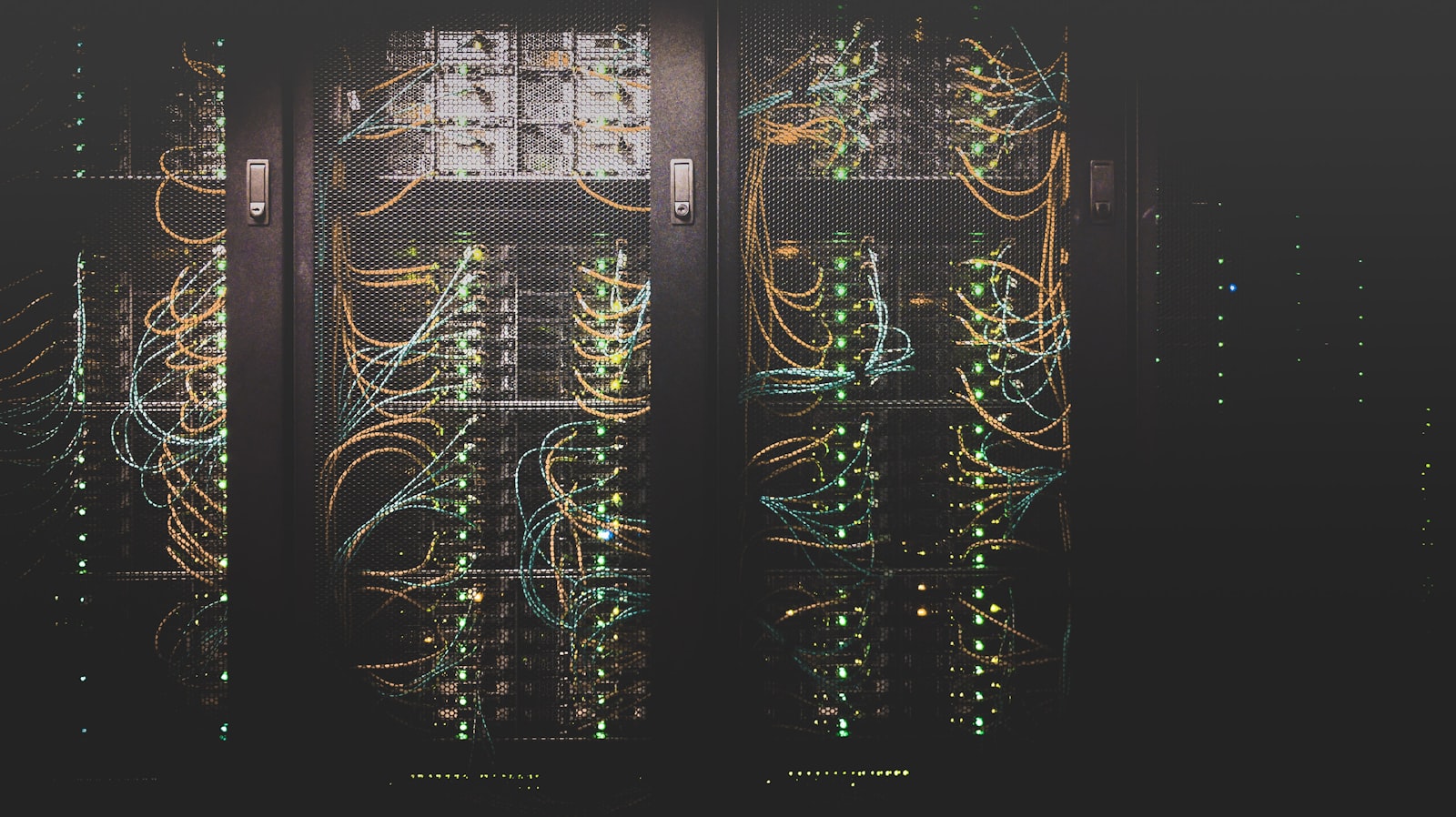
The 13 October announcement names AMD Instinct MI355X GPUs and Bull as the integration partner. It does not identify the facility, delivery schedule, GPU count or electrical demand.
Scaleway announced a new AI supercomputer deployment in Sweden at its ai-PULSE event on 13 October 2026. The company describes it as its first supercomputer deployment outside France and says it will use AMD Instinct MI355X accelerators and the ROCm software stack. This is an announced deployment, not evidence that the system is installed or operating.
Scaleway lists Bull for cluster integration, installation and maintenance; Giga Computing for servers; HPE Networking; VAST Data for storage; and Motul for liquid-cooling fluid. Those supplier roles indicate the kinds of systems being assembled, but the announcement gives no rack design, GPU quantity, cooling architecture or measured efficiency for the Swedish installation.
A separate Scaleway announcement places the AMD GPU cluster in Stockholm and says three cloud Availability Zones are planned there for 2027. It also describes a distinct NVIDIA B300 GPU deployment in Copenhagen. The company does not say whether the Stockholm GPU cluster will be housed within any of the three planned Availability Zones; treat the cluster and cloud-region rollout as related but distinct until the location and service arrangements are specified.
Reuters independently reported the Swedish deployment on 13 October, but neither its report nor Scaleway's announcement identifies a facility address, local grid company, connection agreement, energisation date or MW figure. GPU model and count alone cannot establish IT load or total facility demand; those depend on the number and configuration of servers, utilisation, cooling and redundancy.
For a Swedish site-screening team, the next useful evidence would be the named facility and operator, a dated delivery and commissioning schedule, GPU/server quantities, IT load, whole-facility demand, and the status and voltage level of its grid connection. Keep each figure tied to its boundary and status. The existing AI/HPC, grid-connection and site-selection guides set out questions to take into early discussions.
Why it matters
The announcement adds a Swedish high-density AI-compute deployment to the market, while leaving the power, site and schedule facts that determine development feasibility undisclosed.
What remains unknown
The reviewed sources do not name the Swedish facility or operator, specify a delivery or energisation date, quantify GPUs, IT load or facility demand, identify grid terms, or describe the installed cooling system.
Sources
- Scaleway expands AI infrastructure in Europe with a new AMD Instinct GPU-based supercomputer in Sweden — Scaleway, 2026-10-13. Checked 2026-10-17.
- Scaleway scales up to power Europe's AI ambitions — Scaleway, 2026-10-13. Checked 2026-10-17.
- Scaleway to build AMD-powered AI supercomputer in Sweden — Reuters, 2026-10-13. Checked 2026-10-17.