Published 2026-09-10 · Event 2025-02-03
evroc reports Arlandastad land purchase for a flagship hall
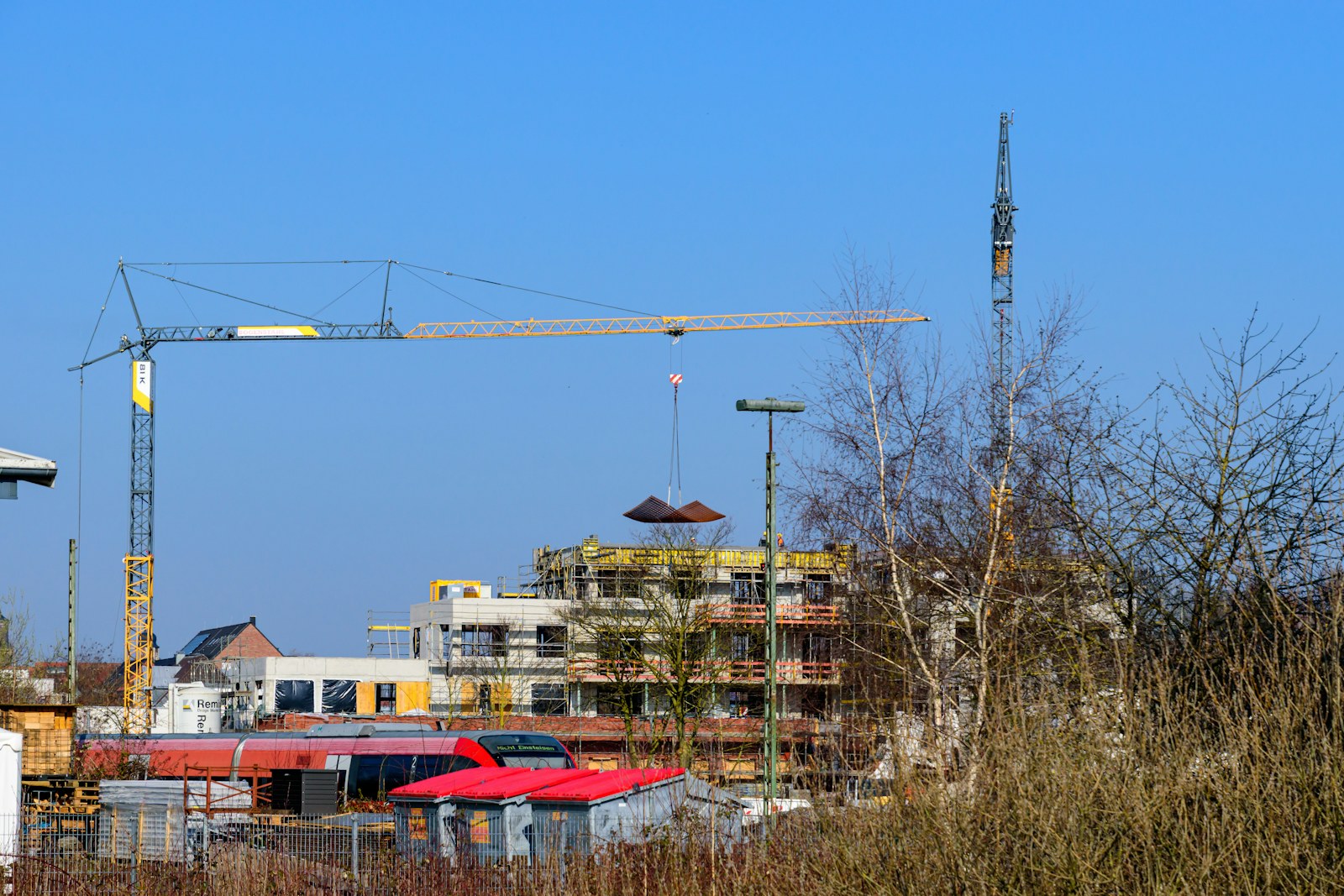
The 3 February 2025 evroc notice documents a 4,890 m² land and building-rights deal near Stockholm Arlanda, with a GPU design and investment intention. It is a development-stage source, not evidence of MW, permits, construction start or commissioning.
On 3 February 2025 evroc said it had completed a deal with Arlandastad Group for 4,890 square metres of land and building rights next to Stockholm Arlanda Airport. That is a concrete land transaction and a named development location. It is not the same thing as holding every right needed to build and operate a data center, and the notice is not a municipal decision.
The company said it aimed to break ground in the first half of 2025 and expected the site to be operational in the latter half of 2026. Those dates are company expectations recorded in the notice. A target date should remain a target until a later primary source documents the event it describes.
The notice also restates an intention to invest EUR 600 million and says the site is designed to accommodate up to 16,000 GPUs. The figures are useful for understanding the announced concept. They do not provide a MW figure, occupied IT load, grid position, permit status or operating result. A GPU design envelope cannot be safely converted into a Swedish connection requirement without the workload, density, redundancy and cooling assumptions.
The land and building-rights step belongs in a different file from the planning and power steps. The buyer still needs to identify the cadastral unit, the rights instrument, the plan status, the building-permit route, the network owner and the environmental questions created by the design. The cited notice does not close those cells.
For a developer, the next request is therefore document-specific: the current plan and building-rights position, any municipal decision or application record, the latest written network-owner position, and evidence of construction start or operation if those events are being claimed. Do not ask for “proof of the €600 million” when the decision you need is whether land, power and permission are sufficiently evidenced.
For an investor, the corporate file has a separate question. Map the legal entity and transaction structure and ask counsel whether foreign-investment screening applies. The existence of a foreign investor, a land purchase or a GPU ambition is not itself an ISP outcome.
DataCenterSweden keeps the project in development because the cited primary source is a 2025 land and development notice and the register contains no later primary evidence that closes construction or operation. That status means the current file is incomplete for those questions; it does not assert that no later document exists anywhere.
The practical reading is simple: land is the first documented step, not the finished establishment. Keep 4,890 m², EUR 600 million and up to 16,000 GPUs as their original claim types, and leave MW, grid, permit and commissioning cells open until a source supports them.
The land description is specific enough to be useful without being complete. The notice names Arlandastad Group, the area of 4,890 square metres and the fact that land and building rights were acquired next to Stockholm Arlanda Airport. It does not give the reader a cadastral designation, the full rights instrument, plan provisions or a municipal case number. Those omissions are not evidence that the rights do not exist; they show which documents the public notice does not contain.
The GPU statement should be read as a design envelope. Up to 16,000 GPUs says something about the ambition and the type of facility evroc described. It does not reveal the chosen hardware, workload, rack density, redundancy, cooling boundary, operating profile or electrical import. Those variables are necessary before a GPU count can be related to a power request. A conversion made by the portal would be less reliable than leaving the MW field open.
The EUR 600 million figure has the same boundary issue. The notice presents an investment intention associated with the development. It does not explain the split between land, building, power infrastructure, IT equipment, financing, later phases or operating expenditure. An investor can use it as a stated commercial fact on the date of the notice, but not as a verified amount spent or as a cost benchmark for another Swedish site.
The two target periods are also project statements. Breaking ground in the first half of 2025 and operation in the latter half of 2026 describe what evroc expected when it published the notice. A later source would need to identify the actual event: a documented construction start, a municipal or contractor record, a commissioning statement or a customer-ready operating announcement. The target passing does not prove success or failure by itself.
The airport-adjacent location creates questions that the article can name without answering. The project team needs to reconcile land and building rights with the plan, access and construction logistics, height and external equipment, network position, environmental topics and any aviation or other local constraint that the competent authorities identify. The notice’s location wording is a lead for that work, not the result of it.
For ownership and screening, keep the physical and corporate files apart. The legal entity buying land, a future operating entity and a parent investor may not be the same. Counsel still needs to assess the structure under the current foreign-investment material. The public record supports a dated land and development announcement. It does not support a permit, grid, MW or operational conclusion, and that boundary is what makes the announcement safe to use.
A later construction update should be checked against the target rather than silently treated as its fulfilment. If a source says that ground works began, that answers a construction event; it does not automatically answer whether the planned hall is complete or operating. If no later source is found, the article should retain the target and identify the missing event document instead of declaring the project delayed or delivered.
The public value of the announcement is therefore the sequence it starts: land and rights, plan and permits, power, construction, commissioning and operation. The notice clearly supports the first part of that sequence and the company’s stated ambition. It leaves the later gates open. A reader can use the article to request the next document without confusing a large investment figure or GPU design with proof that the site is live.
Why it matters
Arlandastad shows how a dated land transaction can be real and decision-useful without proving a permit, grid position, MW or operating campus.
What remains unknown
The cited notice does not establish construction start, a permit decision, a grid position, a MW figure or operation.
Sources
- evroc finalizes land purchase in Arlandastad, Stockholm — evroc, 2025-02-03. Checked 2026-09-10.